

Your child is bored, you are wiped out, and the tablet is right there. You hand it over, and a quiet little guilt settles in next to the relief. Sound familiar? Most parents live in that exact spot most evenings.
Here is the part that often gets lost: the answer is not zero screens, and it is not endless craft projects you do not have the energy for. It is having a handful of easy, age-right screen-free activities for kids that you can reach for without a Pinterest board or a clean house. Play is so central to childhood that the United Nations recognizes it as a right of every child, and the American Academy of Pediatrics has called it essential to healthy brain development (Ginsburg, 2007).
This guide gives you practical, screen-free play ideas sorted by age, low-effort options for the nights when you have nothing left, and an honest look at why this kind of play does so much good. No guilt, no boredom, no pressure to be a craft genius.
Why screen-free play matters more than minutes
It is easy to think of screen-free time as just the absence of a screen. It is actually the presence of something better.
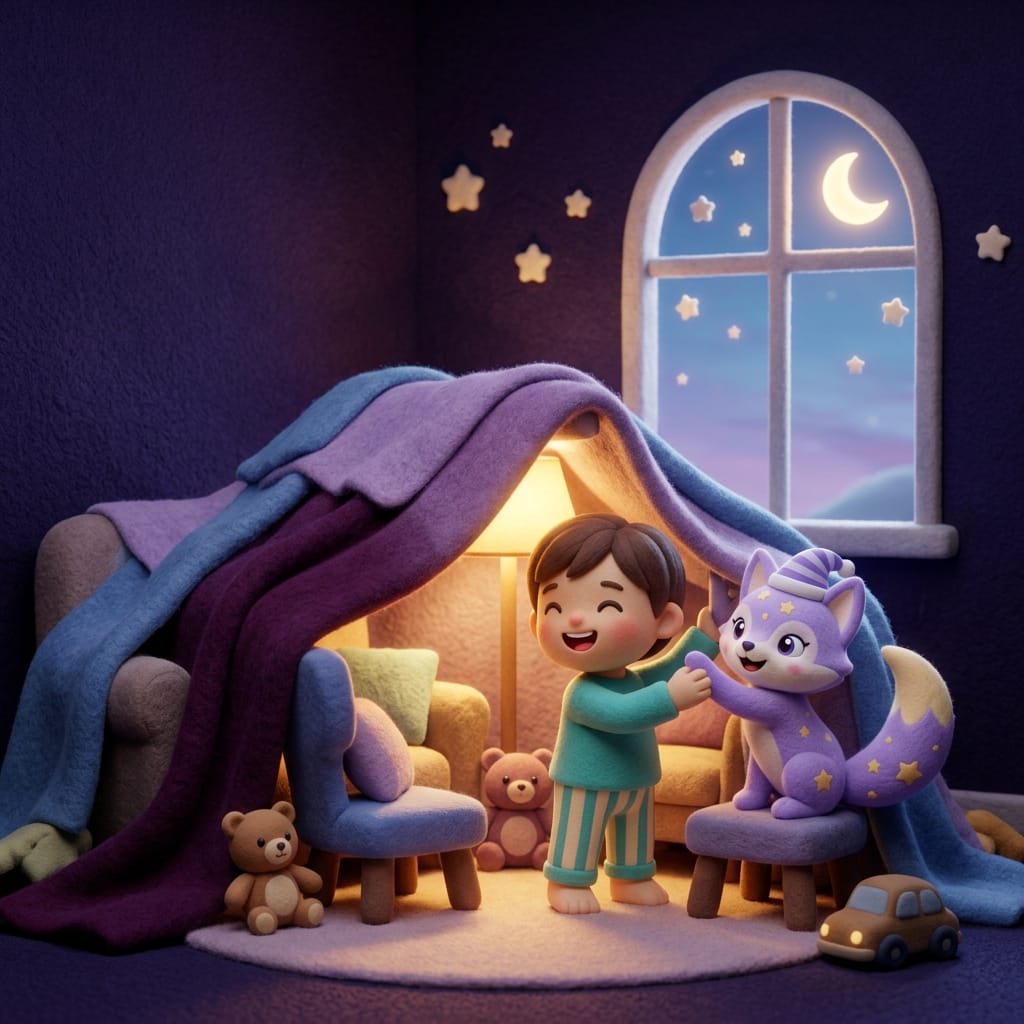
When a child stacks blocks, builds a fort, or invents a game with two spoons and a cup, real developmental work is happening. The AAP's 2018 clinical report, The Power of Play, lays it out plainly: unstructured, child-led play builds executive function, language, creativity, and resilience, and it strengthens the bond between parent and child (Yogman et al., 2018). These are not soft extras. Executive function is the brain's ability to focus, plan, and manage impulses, and it is one of the best predictors of how a child does later in school and life.
Screen-free play also tends to be active play, and young bodies need movement. The World Health Organization recommends that children ages 3 to 4 get at least 180 minutes of physical activity spread across the day (WHO, 2019). Active screen-free time helps hit that target almost by accident.
There is a quieter benefit too. Boredom, the thing parents dread, is the doorway to imagination. A child who is not handed constant stimulation eventually starts to make their own. That is the muscle screens can weaken when they fill every empty moment.
This connects to the bigger picture of healthy media use. If you want the full age-by-age breakdown of how much screen time is reasonable, our companion guide on screen time guidelines by age covers what the AAP and WHO actually recommend.
Screen-free activities for kids, by age
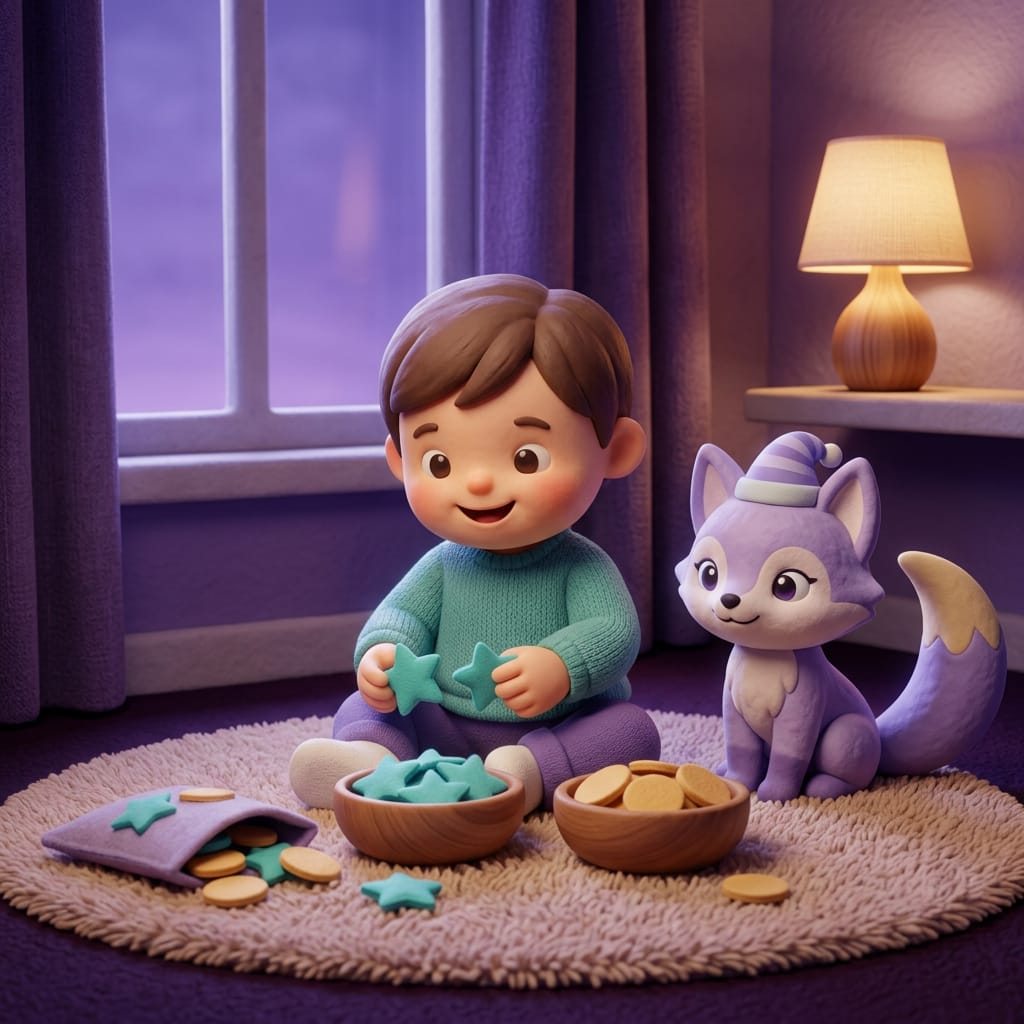
The right activity depends on what your child's brain and body can do right now. Here are concrete, low-cost ideas you can use tonight, sorted by age.
Toddlers (1–3 years)
Toddlers learn through their hands and senses. They do not need much, and their attention is short, so keep it simple and rotate often.
- Sorting and stacking. Plastic cups, measuring spoons, or blocks. Sorting by color or size is real early-math practice disguised as play.
- Water play. A shallow bowl of water, a few cups, and a towel underneath. Endlessly absorbing, easy to set up.
- Sensory bins. Dry rice or oats in a bin with scoops. Supervise closely, and skip it if your child still mouths everything.
- Board books. Chunky, sturdy, and re-readable a hundred times. Point, name, and let them turn the pages.
- Dancing and movement. Put on music and move. It burns energy and counts toward that daily activity target.
Preschoolers (3–5 years)
This is the golden age of pretend play, when a cardboard box becomes a rocket and the floor becomes lava.
- Pretend play. Kitchen, doctor, store, superhero. Hand them a prop and let the story go where they take it.
- Drawing and coloring. Crayons and paper. Resist correcting; the point is expression, not accuracy.
- Building. Blocks, magnetic tiles, or boxes. Open-ended building is one of the richest forms of imaginative play a young child can do.
- Simple chores. Wiping the table, matching socks, watering a plant. Preschoolers genuinely love feeling helpful.
- Backyard or park time. Digging, running, collecting sticks and rocks. Outdoor play does double duty for body and mind.
School-age kids (5+ years)
Older kids can handle longer projects, rules, and more independence. They also start to use screens as the default, so a ready list helps.
- Card and board games. Great for turn-taking, patience, and math. Many work for two players or a whole family.
- Reading. Solo or together. Keep a stack of books visible and within reach.
- Crafts and building projects. LEGO, models, friendship bracelets, drawing comics.
- Cooking and baking. Measuring, stirring, decorating. Real-world math and a snack at the end.
- Outdoor sports and bikes. Ball games, jump rope, scooters. This is where most of their daily 60 minutes of moderate activity should come from (HHS, 2018).
Low-effort screen-free activities for exhausted evenings
Not every night has a craft in it. Some nights you have a microwave dinner and the will to live, and that is fine. These options ask almost nothing from you.
- The toy rotation trick. Box up half your child's toys and swap them every couple of weeks. Old toys feel brand new, and you did nothing but open a closet.
- A "yes" basket. Keep one basket of independent-play items (stickers, a coloring pad, a few small figures) that your child can grab without help.
- Audio stories. Press play, dim the lights, and let a calm voice do the work. This is one of the easiest screen-free wins there is.
- One inviting setup. Leave a single activity out where they will find it: a puzzle half-started, blocks dumped on the rug. Kids gravitate to what is already there.
- Help-me chores. "Can you put all the spoons away?" Turning your evening tasks into their game buys you both something.
The bar on a hard night is not enrichment. It is safe, content, and off the screen. Lower your standards and let boredom carry some of the weight.
Screen-free does not mean silent or boring
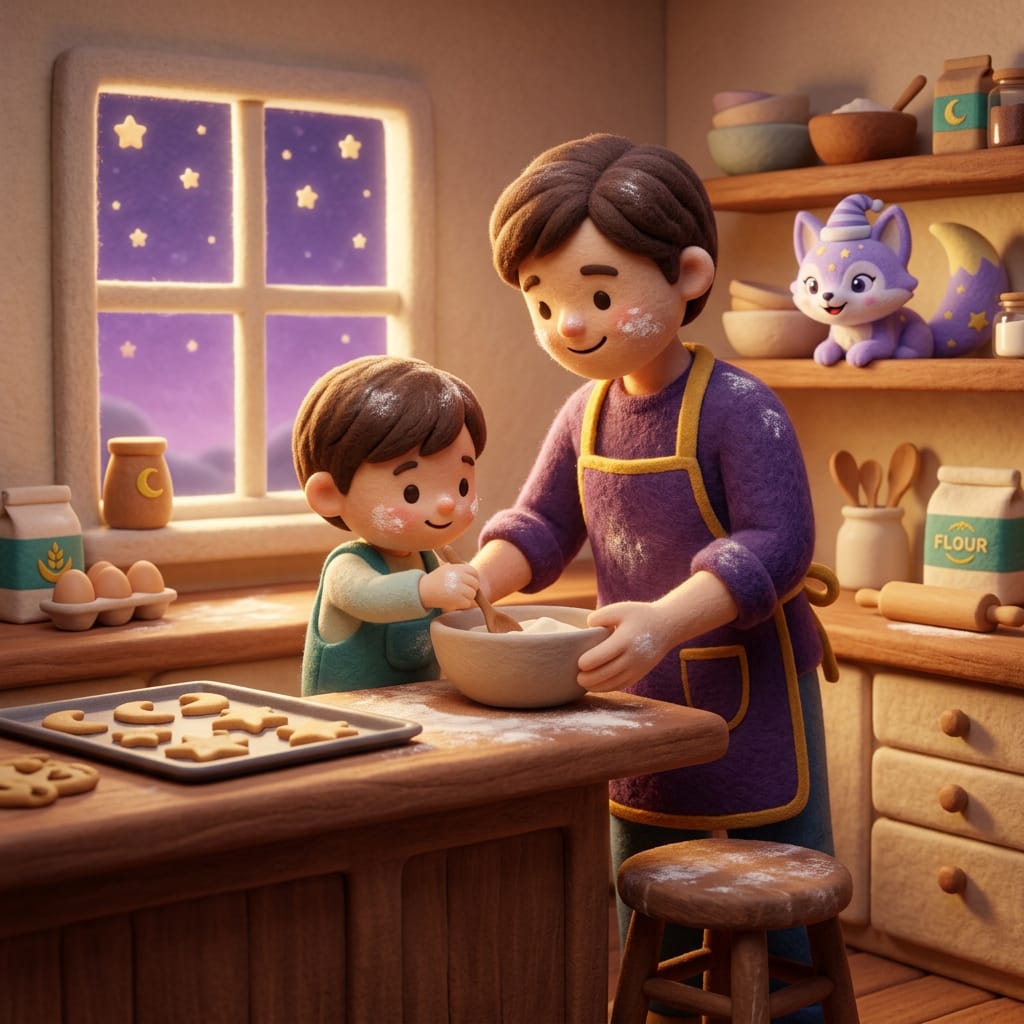
A worry hides under all of this: if I take the screen away, do I have to become the entertainment? No. Screen-free time can still be engaging, soothing, and hands-off for you.
Audio is the underrated middle ground. An audio story gives a child the thing they love about a screen, an absorbing story, without the light that disrupts sleep or the passive stare. It also leaves the imagination doing the visual work, which is exactly the kind of mental effort screens often do for kids instead of with them. We compare the two directly in our guide on audio stories versus reading, and both come out far ahead of passive video.
This makes audio especially useful in the wind-down hour, when screens are the worst possible choice. Screen light suppresses melatonin and keeps the brain alert right when it should be settling, which is why screens before bed hurt sleep so reliably. A calm story does the opposite. For more gentle ideas in that last hour, see our list of calming activities before bed.
A screen-free activity that helps your child sleep, not just stay busy. A calm Dreamloo audio story gives your child the engaging story they want without the screen light that wrecks sleep. Press play, lights low, and let a gentle voice carry the last fifteen minutes to sleep. It is one of the rare "give me ten quiet minutes" tools that actually helps bedtime instead of fighting it.
Used honestly, audio is not a screen swapped for an audio screen. It is play for the ears and the imagination, and it asks nothing of an exhausted parent except pressing one button.
Making screen-free time actually stick
Good intentions fade by Tuesday. Structure is what makes screen-free play a habit instead of a daily fight.
Set predictable screen-free zones
Children fight arbitrary, in-the-moment "turn it off now" demands far more than rules they always see coming. Pick a few fixed screen-free times and keep them identical every day: meals, the car for short trips, the hour before bed. When the rule never changes, it stops being a negotiation.
Make the alternative easy to reach
Willpower is unreliable; environment is not. If toys are visible and accessible and the tablet is out of sight, kids drift toward play. Set up one inviting activity before the witching hour hits, so the screen-free option is already waiting.
Replace, do not just remove
Taking the screen away leaves a void, and voids get filled with meltdowns. Have the next thing ready: a snack, a book, an audio story, a quick trip outside. Ending screen time should feel like a transition to something, not a punishment.
Let them lead, and lower your bar
Child-led play is where the developmental gold is, and it happens to require less from you. You do not have to direct, narrate, or perfect it. Put out the materials, step back, and let your child run the show. Messy, repetitive, slightly boring-to-you play is exactly what their brain wants.

Common Questions from Parents
My child says "I'm bored" the second the screen goes off. What do I do?
Let the boredom sit for a few minutes before you rush to fix it. Boredom is uncomfortable, but it is also the spark for imaginative play, and kids who are never bored rarely learn to entertain themselves. Resist the urge to line up activities like a cruise director. Instead, leave a few open-ended materials in view, say something low-key like "I bet you'll find something," and give it time. The first few days of less screen time are the hardest. Within a week or two, most kids start filling the space on their own.
Do I have to play with my child the whole time?
No, and you should not feel guilty about that. Both kinds of play matter. Time with you is precious and builds connection, but independent play is where children practice solving problems, making decisions, and managing frustration on their own. A healthy mix is some shared play and plenty of solo play nearby while you do your own thing. Sitting on the couch within sight while your child builds on the floor still counts as connection. You are the safe base they check in with, not the entertainment they cannot function without.
Are educational toys and "brain-boosting" kits worth it?
Usually not more than the basics. Marketing aside, the richest play comes from open-ended materials that a child can use a hundred ways: blocks, art supplies, dress-up items, boxes, water, sand. A toy that does only one thing tends to hold attention briefly, while a plain box becomes a car, a cave, and a boat across a week. Save your money. The research on play points to child-led, open-ended activity as the driver of development, not the price tag or the "educational" label on the box.
How do I handle screen time on really hard days?
Forgive them. A sick day, a long flight, or a brutal work deadline is exactly what the occasional high-screen day is for. The guidelines describe a healthy average over weeks and months, not a verdict on any single afternoon. One heavy screen day does not undo a good pattern. Aim for mostly screen-free, deliberate use of screens when you genuinely need them, and zero guilt when real life requires a backup. Sustainable beats perfect. A parent who handles a hard day with a tablet is parenting, not failing.